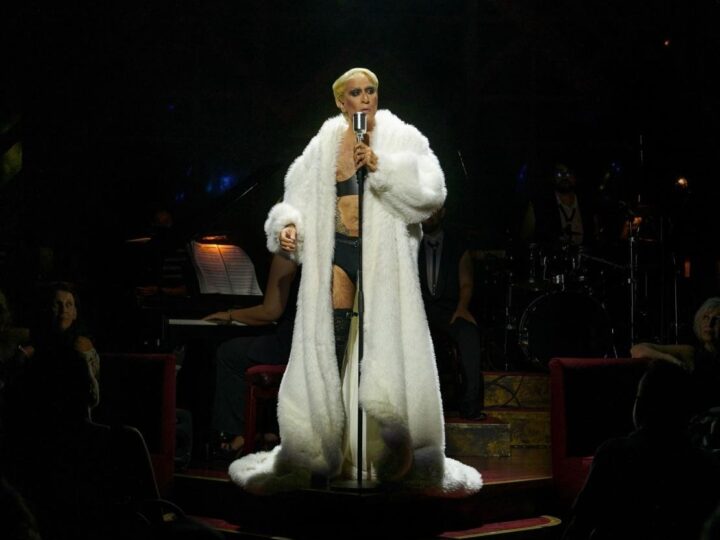

Some festivals are browsed like a list of titles and others work like a map of lives that rarely reach the big screen. QueerCineMad belongs to the second category. Its 31st edition brings together more than 120 films from five continents and, from 10 to 22 November, turns Madrid into a huge meeting point for LGBTIAQ+ cinema.
The programme doesn’t look for a single way of telling queer stories. There is fiction, documentary, archive, comedy, experimental film and short film sessions about desire, migration, memory, family, HIV, identity and community. The result is a festival for discovering films that would hardly ever share a conventional listings page —and for leaving the cinema with more questions than answers.
The festival starts at Cineteca Madrid
The opening is concentrated on 10 November at Cineteca Madrid with three very different films. Cobijo, by Adrián Silvestre, follows four queer people who fled their countries and ended up in a shelter in Guatemala, where together they must rebuild the idea of home. Les matins merveilleux, by Avril Besson, offers a journey south among disco records, grief and an encounter by the Mediterranean. La Carn, by Joan Porcel, mixes dance, video calls and desire until the border between digital life and the real body disappears.
Cineteca will be one of the main venues until 15 November. Its screens will host feature films, Spanish and international shorts, dissident cinema and a retrospective of Rosa von Praunheim, an essential figure for understanding the history of European LGBTIAQ+ cinema. It is also the best place to dive into the festival without having to study the whole programme first.
Five films to get your bearings
Barbara Forever: the archive as a way of living on
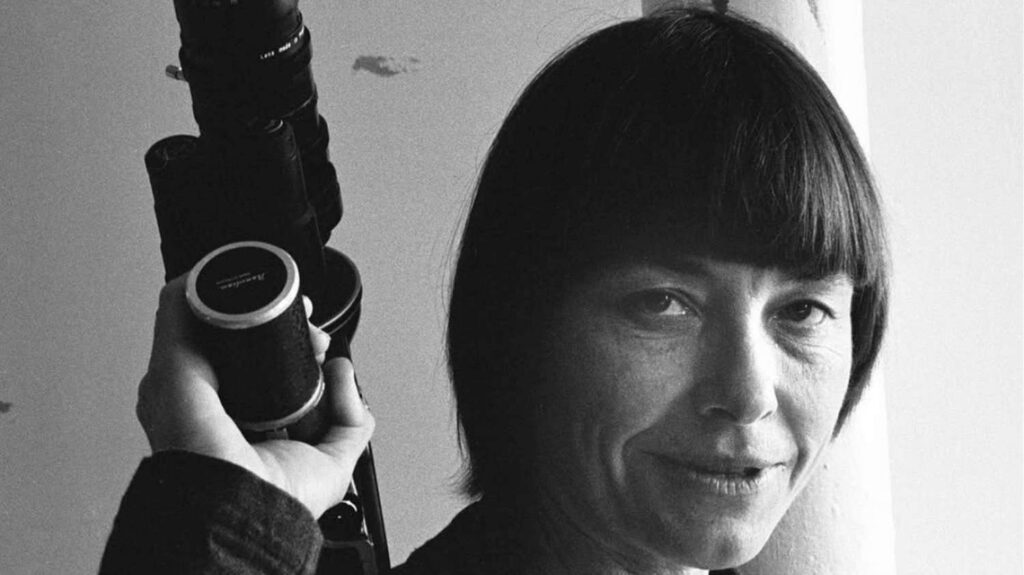
Brydie O’Connor builds a tribute to Barbara Hammer from more than eighty films, unseen material and audio interviews. Hammer turned her body, her desire and her activism into film language when doing so required uncommon courage. The documentary doesn’t just organise a legacy: it moves it forward.
Uchronia: a queer season in hell
Greek filmmaker Fil Ieropoulos imagines a psychedelic documentary essay inspired by Rimbaud. Along the way, Emma Goldman, David Wojnarowicz and Marsha P. Johnson appear. It is one of the freest proposals in the programme and a good choice for those who prefer cinema that takes risks rather than explains.
Corren las liebres: starting again when everything is tight
Noa, a 48-year-old trans Roma woman, tries to regain custody of her children after ten years in prison. She needs a home, but is about to be evicted. Lorena Ros’s film looks at precarity without turning its protagonist into a passive victim: friendship, art and humour are also part of the resistance.
Elles: a transition told from the inside
Natalia González’s debut was produced by a team made up entirely of LGBTIQ+ people. Its protagonist begins a transition without people around her able to understand it and finds refuge in a trans and non-binary community where fantasy —including certain animal metamorphoses— is used to talk about something very real: the search for a place of one’s own.
A Song Without Home: freedom after eleven years of confinement
Rati Tsiteladze picks up the story begun in the short film Prisoner of Society. A young trans woman from Georgia escapes to Vienna after spending eleven years locked up at home by her family. The starting point is brutal, but the film finds beauty and hope without softening the violence that drives its protagonist to flee.
The shorts aren’t the break between films
QueerCineMad devotes several full sessions to the short format: Spanish cinema, two international programmes and a dissident selection with works from Spain, France, Brazil and elsewhere. They are not filler, but a laboratory where narratives, bodies and aesthetics appear that the industry has not yet tamed.
Also worth noting is the cinema and HIV session, with seven pieces that address memory, stigma, desire and community in very different registers. The festival thus reminds us that representation isn’t only about being on screen, but about deciding who tells the stories, from where and in what language.
Beyond Cineteca
The full edition continues until 22 November in more than twenty venues across the Community of Madrid. France is the guest country and filmmaker Christophe Honoré will receive the festival’s Honorary Award. There will be a retrospective of his work, meetings with filmmakers, workshops, round tables, exhibitions and a new edition of QueerCineLab for projects in development.
The best strategy isn’t trying to see everything. Choose a feature film that takes you out of your comfort zone, combine it with a shorts session and leave room for a film you haven’t read anything about. At a festival like this, surprise is part of the programme.
Practical information
- Festival dates: 10 to 22 November 2026.
- Programme at Cineteca Madrid: 10 to 15 November.
- Main venue: Cineteca Madrid, Plaza de Legazpi, 8, Matadero Madrid.
- Other venues: Círculo de Bellas Artes, Sala Berlanga, Cines Embajadores, Institut Français, Casa de América and other spaces in Madrid.
- Tickets: price per session; the general festival pass costs €30 and is free for members of Fundación Triángulo.
- Important: some sessions are recommended for over-18s. Check each film’s details before booking.
SEE FULL PROGRAMME AND TICKETS
Fuente y detalles originales: consultar publicación.